
Published
Implant-Supported Dentures vs. All-on-4: What's the Difference?
You went in hoping for a clear answer and came away with a treatment estimate that felt impossible and an alternative that didn't feel quite right. Maybe All-on-4 implants seemed financially out of reach, so traditional dentures became the recommendation. But you're still wondering whether dentures are genuinely the best fit for you or simply the most affordable option.
This is a common dilemma, and it often comes down to how tooth replacement options are presented. The decision isn't necessarily a choice between traditional dentures and the most expensive implant treatment. There are three distinct approaches to consider: traditional dentures, implant-supported removable dentures, and fixed All-on-4 restorations. Each differs in cost, stability, maintenance, and long-term considerations.
Understanding those differences can help you evaluate your options based on your oral health, lifestyle, and budget rather than price alone.
Quick Takeaways
- Traditional dentures rest on the gums, are removable, and generally have the lowest upfront cost.
- Implant-supported dentures attach to implants for improved stability but can still be removed for cleaning.
- All-on-4 is a method that uses four strategically placed implants to support a fixed full-arch restoration in suitable candidates.
- Bone health matters. Implants can help preserve bone around their placement sites, while bone loss may continue after tooth loss.
- Long-term costs differ. Denture adjustments, maintenance, and eventual replacement should be considered alongside initial treatment fees.
- Your options depend on your clinical needs. An examination and appropriate imaging can help determine which approach may be suitable.
What Each Option Actually Involves

Although these treatments all replace missing teeth, they work differently. Understanding their basic structure makes it easier to compare their benefits and limitations.
Traditional Dentures
Traditional dentures are removable prosthetic teeth that rest directly on the gums. They can replace an upper arch, a lower arch, or both without requiring implant surgery. Their initial affordability and relatively straightforward treatment process make them a practical option for many patients. However, changes in the jawbone and gum tissues can affect their fit over time, sometimes requiring adhesive, adjustments, relining, or replacement.
Implant-Supported Dentures
Implant-supported dentures use a small number of dental implants, often two to four per arch, to stabilize a removable prosthesis. Once the implants have integrated with the bone, the denture attaches through a mechanism such as specialized connectors or a bar. The patient can remove the prosthesis as directed for cleaning, but the implant attachments generally provide greater stability than a conventional denture resting on the gums.
All-on-4 (Or All-on-X)
All-on-4 is a full-arch treatment approach in which four (in some cases, up to 6) implants are used to support a fixed prosthesis when the patient's anatomy and clinical circumstances allow. Unlike a removable implant-supported denture, the restoration is designed to remain in place and is removed by a dental professional when necessary. Patients clean around it daily and require ongoing professional maintenance.
All-on-4 can offer a stable, functional replacement for a full arch of teeth, but it involves surgery and a more complex treatment process. The appropriate choice depends on your oral health, anatomy, expectations, and ability to maintain the restoration.
The Bone Loss Consequence Many Patients Overlook
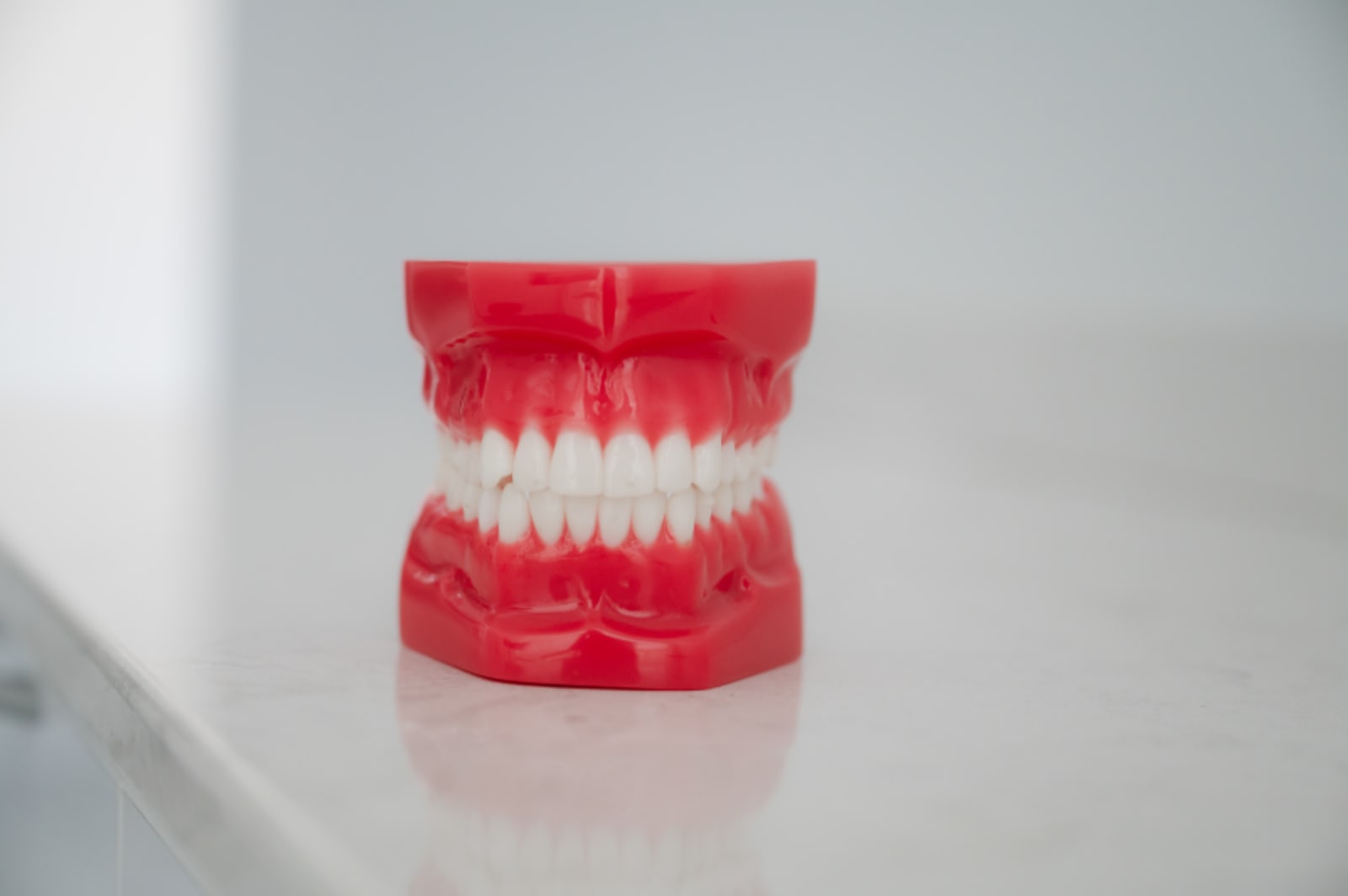
The differences between these options extend beyond how your replacement teeth feel. They also affect how bone loss is managed after natural teeth are lost.
Natural tooth roots transmit forces into the surrounding jawbone during chewing, helping maintain the bone. After a tooth is lost, the bone in that area no longer receives the same stimulation and may gradually resorb, losing volume over time.
Traditional dentures rest on the gums rather than replacing the roots of missing teeth. As the underlying ridge changes, a denture that initially fit well may become loose or uncomfortable. Periodic adjustments and relining can help, but they cannot prevent all underlying bone changes.
Dental implants integrate with the jawbone and transmit functional forces to the bone around them. This can help preserve bone in those areas compared with leaving the sites without implants. However, implants do not prevent all bone loss, and their long-term health depends on factors such as oral hygiene, implant positioning, and ongoing maintenance.
Bone changes may also affect whether implants can be placed later. Some patients with reduced bone volume may need bone grafting or other preparatory treatment, while others may qualify for alternative implant placement approaches.
Traditional dentures remain a reasonable option for many people, depending on their health, preferences, and circumstances. The important consideration is to understand both the immediate benefits and the longer-term implications of each treatment before making a decision.
What These Options Cost in Houston and Why the Gap Is More Complex Than It Looks
The upfront price is only part of the financial picture. Each tooth replacement option has different treatment costs and ongoing maintenance needs.
Traditional Dentures
Traditional dentures generally have the lowest initial cost, but expenses may accumulate over time.
- Periodic adjustments and relining as the jaw and gums change
- Eventual denture replacement
- Adhesive products, if needed
Implant-Supported Dentures
These typically cost more upfront because treatment includes implant placement and a removable prosthesis with specialized attachments. The total depends on the number of implants, available bone, and the type of restoration.
Ongoing expenses may include attachment maintenance, repairs, and replacement of prosthetic components.
All-on-4
All-on-4 generally involves a higher initial investment for implant surgery and a fixed full-arch restoration. Extractions, bone grafting or other preparatory procedures, provisional teeth, and the final prosthesis can all affect the total.
Although the restoration is fixed, professional maintenance, repairs, and eventual replacement may still be necessary.
Looking Beyond the Initial Price
Houston pricing varies by practice and individual treatment needs. When comparing estimates, ask what is included, whether additional procedures may be needed, and what future maintenance could cost. A personalized treatment plan is more useful than a general price range.
Depending on how many teeth are missing and the condition of neighboring teeth, a dental bridge may also be worth discussing with your dentist.
Who Is a Candidate for Each Option?

The right treatment depends on more than your budget. A clinical examination helps determine which options are appropriate for your oral health and circumstances.
Important considerations include:
- Bone volume and density at potential implant sites
- General health and factors that may affect healing
- The number and location of missing teeth
- How long teeth have been missing
- Gum health and oral hygiene
- Treatment timeline, preferences, and budget
Traditional dentures may be suitable for patients who want a non-surgical option or whose health or anatomy makes implant treatment less appropriate. Adequate supporting tissues and a well-designed prosthesis are important for comfort and function.
Implant-supported dentures require sufficient bone to place and stabilize the implants, although some patients may qualify for bone grafting if additional support is needed. Wearing traditional dentures for years does not automatically rule out implant treatment, but bone loss may affect the available options.
All-on-4 uses strategic implant positioning, including angled implants in appropriate cases, to make use of available bone and potentially reduce the need for extensive grafting. However, it is not suitable for everyone with significant bone loss. Imaging, anatomy, health considerations, and the planned restoration all influence candidacy.
You don't need to decide which treatment you qualify for before seeing a dentist. An evaluation at Polish Dentistry in Houston can help clarify your options and identify any additional treatment you may need. Call (713) 942-0101 to schedule a consultation.
How Financing Changes What May Be Within Reach
Traditional dentures generally cost less upfront than implant-supported dentures or All-on-4, but financing may help eligible patients spread treatment expenses over time. Options, approval requirements, interest rates, and repayment terms vary by provider.
Ask for an itemized estimate that outlines implant placement, preparatory procedures, and restorations so you can plan for the full cost of care.
Financing does not make every option affordable, and the most expensive treatment is not necessarily the best fit. The goal is to find a clinically appropriate solution that aligns with your needs and budget.
The team at Polish Dentistry can review your treatment plan and discuss available payment options. Call (713) 942-0101 to begin the conversation.
Frequently Asked Questions
Can I get implant-supported dentures if I've worn traditional dentures for years?
Possibly. Long-term denture use can be associated with jawbone resorption, which may affect implant placement. However, the extent of bone loss varies, and some patients may still qualify for implants or preparatory procedures such as bone grafting. An examination and appropriate imaging can help determine what's possible.
How long does the All-on-4 process take?
Treatment timelines vary depending on your oral health, whether extractions or other procedures are needed, and how healing progresses. Some patients may receive a provisional fixed restoration on the day of surgery if their clinical circumstances permit, but this isn't appropriate in every case. The final restoration is placed according to the treatment plan and healing requirements.
Does insurance cover implant-supported dentures or All-on-4?
Coverage varies by plan and procedure. Some plans may contribute toward certain restorative services, while implant placement or other components may be excluded or only partially covered. Ask your plan administrator for details about your specific benefits and request a written estimate from the dental practice.
Which option lasts the longest?
Longevity depends on the restoration, oral health, maintenance, and individual circumstances. Traditional dentures may need periodic relining and eventual replacement. Implant-supported dentures and fixed implant restorations can function for many years with appropriate care, but their attachments, prosthetic components, or other parts may require repair or replacement. Regular dental visits and consistent home care are important for every option.
Find the Right Tooth Replacement Option for You
Choosing between traditional dentures, implant-supported dentures, and All-on-4 isn't simply a matter of selecting the lowest or highest price. Each approach has different implications for stability, maintenance, bone preservation, treatment complexity, and long-term cost.
At Polish Dentistry in Houston, the first step is understanding your individual situation. An evaluation with Dr. Barrilleaux can help determine the condition of your jawbone, identify which treatments may be appropriate, and clarify the costs and maintenance involved with each option.
You deserve to understand why a particular treatment is being recommended, what alternatives exist, and what you can realistically expect from each one.
To schedule a consultation with Polish Dentistry, call (713) 942-0101. Bring your questions, discuss your priorities, and leave with a clearer understanding of which approach may fit your oral health needs and budget.