
Published
Dental Implants in Houston: What They Cost, What They Cover, and How to Pay for Them

If you've just received a dental treatment plan you weren't expecting, cost may be the first thing on your mind. You might be weighing whether to replace a missing tooth now, wondering how you'll manage a larger restoration, or trying to understand why the estimate you received is higher than you anticipated. Those are reasonable questions to ask before committing to treatment.
Dental implants can be a long-term solution for replacing missing teeth, but the cost depends on more than the implant itself. The number of teeth involved, the condition of your jawbone and gums, the type of restoration, and whether additional procedures are needed can all affect your total investment.
Dental implants in Houston may cost a few thousand dollars for a single-tooth restoration or tens of thousands for a full-arch solution. Insurance benefits vary, but financing and Polish Dentistry's in-house membership plan may help eligible patients manage expenses.
This guide explains the main implant options, typical cost ranges, insurance considerations, payment options, and what to expect throughout treatment. The goal is to help you understand the financial and clinical factors involved before deciding which path makes sense for you.
Polish Dentistry is located at 215 Westheimer Rd, Suite 200, Houston, TX. Call (713) 942-0101 to discuss your options.
Quick Takeaways
- Single-tooth implants: Replace individual missing teeth without relying on neighboring teeth for support.
- Full-arch solutions: All-on-4 and implant-supported dentures can replace multiple teeth, but differ in how the restoration is supported and maintained.
- Treatment costs: Implant placement, extractions, bone grafting, and restoration materials can affect your estimate.
- Insurance and financing: Coverage varies by plan, while financing and membership benefits may help eligible patients manage costs.
- Candidacy: Bone volume, gum health, medical history, and healing capacity all influence treatment planning.
- Personalized estimates matter: General price ranges can help you budget, but an examination and imaging are needed to determine your treatment needs.
Your Dental Implant Options: Single Tooth, All-on-4, and Implant-Supported Dentures
Dental implants are not one-size-fits-all. Replacing a single missing tooth involves a different treatment plan from restoring an entire upper or lower arch. Understanding the main options can help you narrow down the questions to discuss with your dentist.
Single-Tooth Dental Implants
A single-tooth implant replaces a missing tooth with a small post placed in the jawbone. After the implant has integrated with the bone, an abutment connects it to a custom crown.
Because the implant supports its own restoration, it generally does not require the neighboring teeth to be reshaped for support. It can also help preserve bone around the implant site by transferring chewing forces to the jawbone.
Single-tooth implants may be appropriate when one tooth is missing and the surrounding oral structures are suitable for treatment. The process typically involves a healing period before the final crown is attached, although the exact timeline varies.
Learn more about the procedure on our dental implants in Houston service page.
All-on-4: Replacing a Full Arch
All-on-4 is a full-arch treatment concept that uses four strategically positioned implants to support a complete set of replacement teeth. It may be considered when most or all teeth in the upper or lower arch are missing or cannot be predictably preserved.
Unlike replacing each tooth individually, this approach uses a smaller number of implants to support one connected restoration. Some patients may receive provisional teeth shortly after surgery, provided their clinical circumstances and implant stability allow it. The final restoration is placed after the necessary healing and treatment stages.
All-on-4 can reduce the number of implants needed compared with placing an individual implant for every missing tooth. However, it requires careful planning, and not every patient is a suitable candidate.
Implant-Supported Dentures
Implant-supported dentures use implants to help secure a denture rather than relying entirely on the gums, suction, or adhesive. Depending on the design, the denture may attach to the implants and be removable for cleaning, or it may be fixed in place.
This option may appeal to patients who find traditional dentures uncomfortable or unstable. Implant support can improve retention, making the appliance feel more secure during eating and speaking.
The number of implants, attachment system, and type of restoration affect both the cost and maintenance requirements. Explore our partials and full dentures page to learn more about denture options.
What Do Dental Implants Cost in Houston?
The cost of dental implants depends on the type of restoration and the procedures needed to complete treatment. The following ranges are general estimates for the Houston area, not guaranteed prices or personalized quotes.
Single-Tooth Implants: Approximately $3,000–$5,000
A complete single-tooth restoration may cost approximately $3,000–$5,000. This estimate generally accounts for the implant post, abutment, and crown, although what's included varies between providers.
Additional treatment can increase the total. For example, a patient who needs an extraction or bone grafting may have a different estimate from someone whose implant site is already suitable for placement.
When comparing quotes, ask whether the estimate covers all components of the restoration and any anticipated preparatory procedures.
All-on-4: Approximately $15,000–$30,000 per Arch
A full-arch All-on-4 restoration may range from approximately $15,000–$30,000 per arch. The total depends on the complexity of the case, the materials used, and the treatment stages involved.
An estimate may include implant placement and a full-arch prosthesis, but provisional teeth, extractions, grafting, and the final restoration may be priced differently depending on the practice and treatment plan.
Because full-arch treatment involves several coordinated components, it's particularly important to understand exactly what a quoted price includes.
Implant-Supported Dentures: Approximately $10,000–$25,000 per Arch
Implant-supported dentures may cost approximately $10,000–$25,000 per arch. The price varies according to the number of implants, the denture design, the attachment system, and whether the appliance is removable or fixed.
Preparatory procedures can also affect the total. Ask whether the estimate includes the implant components, denture fabrication, follow-up adjustments, and any additional treatment that may be necessary.
Why Do Implant Estimates Vary?
Two patients receiving the same general type of implant restoration may receive different estimates because their clinical needs are different.
Factors that commonly influence the total include:
- Bone grafting: If the jawbone lacks sufficient volume to support an implant, grafting may be recommended.
- Tooth extractions: Teeth that cannot be preserved may need to be removed before or during implant treatment.
- Number of implants: Replacing several teeth or restoring a full arch involves different surgical and restorative requirements from replacing one tooth.
- Restoration materials: The materials and fabrication methods used for a crown, denture, or full-arch prosthesis affect the cost.
- Oral health: Gum disease or other dental problems may need to be addressed before implant placement.
- Treatment complexity: Bone quality, bite alignment, and the location of the missing teeth can influence planning.
A lower estimate isn't automatically a better value, just as a higher estimate doesn't automatically mean better treatment. Ask for a breakdown of the proposed care so you can compare the scope of treatment rather than the headline price alone.
How to Think About the Long-Term Cost of Implants
Implants generally have a higher initial cost than traditional dentures or dental bridges. However, the initial price is only one part of the financial decision.
Traditional dentures may require adjustments, relining, or replacement as the shape of the jaw and gums changes. Bridges can also need repair or replacement over time, and they typically rely on neighboring teeth for support.
Implants have different maintenance needs. They require daily cleaning, regular dental visits, and professional monitoring. The crown or prosthesis may need repair or replacement, and complications can create additional expenses.
For that reason, there is no single long-term cost comparison that applies to everyone. Your oral health, the restoration you choose, how well you maintain it, and how long it remains functional all affect the overall investment.
When discussing your options, consider both the initial expense and the maintenance each restoration may require over time.
Does Dental Insurance Cover Implants?
Insurance coverage for dental implants varies by plan. Some policies exclude implants, while others provide benefits for certain parts of treatment or apply specific restrictions.
Even when a plan offers implant-related benefits, it may not cover the entire restoration. For example, a policy might treat the crown differently from the implant post or other components.
What to Check Before Starting Treatment
Before assuming your insurance will cover a particular procedure, review your plan and ask your carrier about:
- Covered procedures: Does the plan include implants, implant-supported restorations, or only certain components?
- Annual maximums: How much will the plan pay during the benefit year?
- Waiting periods: Must you wait a certain amount of time before major restorative benefits apply?
- Missing-tooth limitations: Does the policy restrict benefits for teeth that were missing before coverage began?
- Frequency and replacement limits: Are there restrictions on how often certain restorations are covered?
- Alternative benefits: Would the plan calculate benefits based on a different, covered procedure?
These details matter because a plan's stated benefit may not reflect what it will pay toward your specific treatment.
What About Cigna and Humana?
Plans offered by carriers such as Cigna and Humana can differ in their implant benefits, exclusions, and reimbursement limits. The carrier's name alone isn't enough to determine your coverage.
Contact your insurance provider to confirm the terms of your particular policy. If Polish Dentistry can assist with reviewing available benefit information, ask the team what details they can verify before treatment begins.
Even partial coverage may help reduce your out-of-pocket expense, but it's best to understand the limitations before committing to a treatment plan.
Are Dental Bridges Covered Differently?
A dental bridge is another way to replace a missing tooth. Because bridges and implants involve different procedures, an insurance plan may treat them differently.
A bridge may be worth discussing if you are comparing costs or if your coverage limits implant benefits. However, the choice should also account for your neighboring teeth, oral health, and long-term goals.
Read more about dental bridges to understand how this alternative works.
Polish Dentistry's In-House Membership Plan
Patients without dental insurance, or those whose benefits leave substantial out-of-pocket expenses, may want to explore an in-house membership plan.
Rather than purchasing coverage through an insurance company, members pay an annual fee directly to the practice in exchange for the benefits specified in the plan. Depending on the current membership terms, benefits may include preventive care and discounts on eligible services.
A membership plan is not insurance. Its fees, covered services, exclusions, and discount structure differ from those of a traditional dental policy.
Before enrolling, ask the Polish Dentistry team:
- What services are included in the membership?
- Which restorative treatments qualify for discounts?
- Is implant treatment eligible for a discount?
- Are there limitations on how benefits can be used?
- Can membership benefits be combined with an available financing arrangement?
These details are especially important if you're planning a larger procedure. Understanding the actual benefits can help you determine whether membership would meaningfully reduce your expenses.
You can learn more about the Polish Dentistry in-house membership plan or call (713) 942-0101 to discuss the current terms.
Payment Plans and Financing for Dental Implants
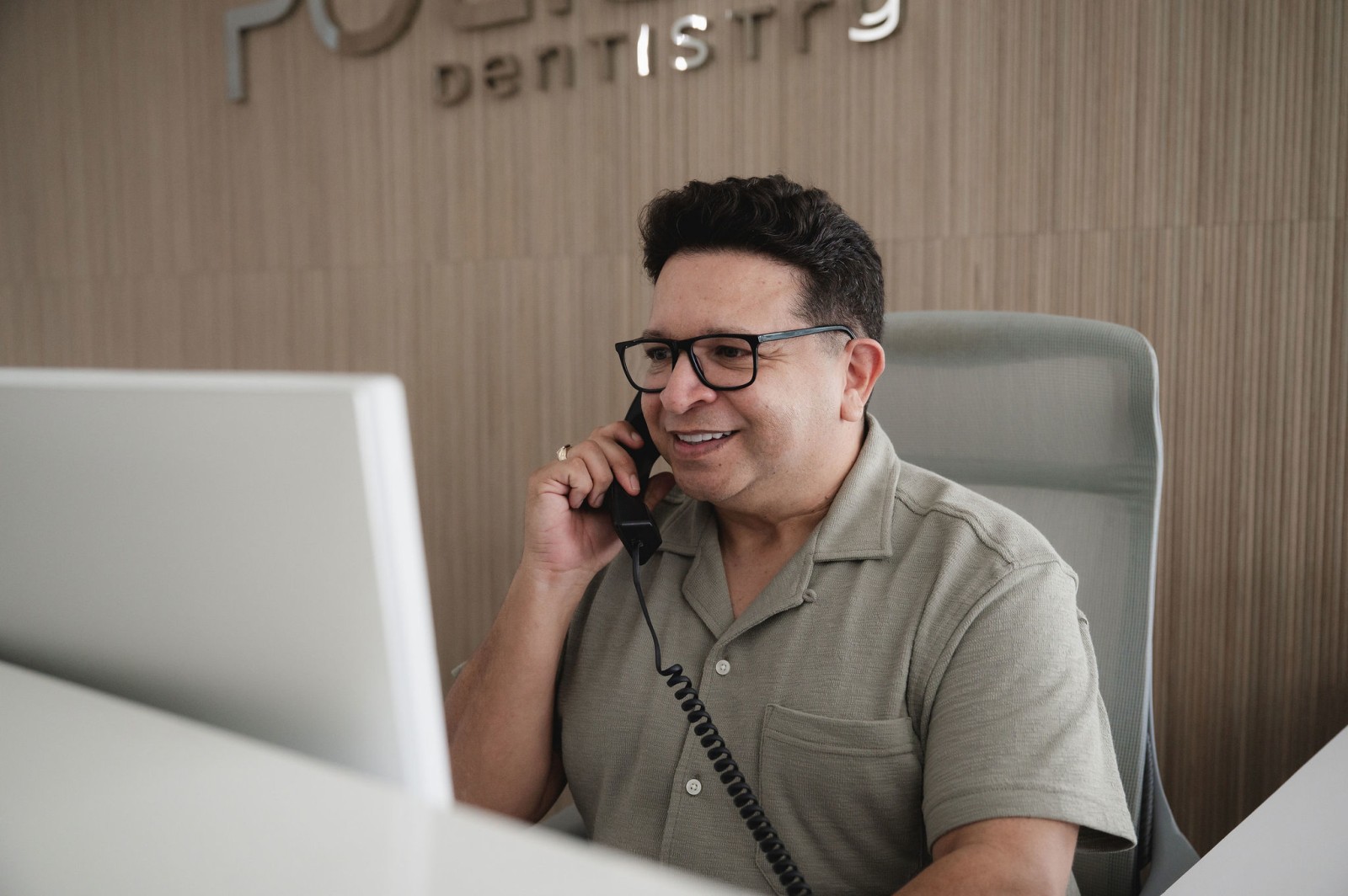
Even after reviewing your treatment options and insurance benefits, the upfront cost of implants may feel difficult to manage. Financing may help eligible patients spread expenses over time instead of paying the entire amount at once.
How Dental Financing Works
Many dental financing arrangements involve applying through a third-party provider. If approved, you repay the financed amount according to the agreement's schedule.
The details vary. Some plans may offer promotional terms, while others charge interest or fees. Approval is not guaranteed, and the monthly payment depends on the amount financed, repayment period, and terms offered.
Before accepting financing, make sure you understand:
- The total amount you will repay
- The interest rate and any fees
- The monthly payment and repayment period
- Whether promotional rates expire or deferred interest applies
- What happens if a payment is late
A monthly payment may make treatment easier to budget for, but it is important to consider the total financial commitment as well.
Can Financing Be Combined With a Membership Plan?
Depending on the current membership terms and available financing arrangements, a membership discount may reduce the amount you need to finance. Ask Polish Dentistry whether these options can be combined for your proposed treatment.
For a larger restoration, request an estimate that separates the major components of care. This can help you understand the treatment cost before considering how to pay for it.
Discuss Your Budget Before Treatment Begins
Talking about money during a dental consultation should be a normal part of treatment planning. Let the team know if you have a budget in mind or need to understand payment options before deciding how to proceed.
Financing doesn't make every treatment affordable, and the most expensive option isn't automatically the best one. The goal is to identify a clinically appropriate solution that fits your needs and financial circumstances.
For more information, visit Polish Dentistry's insurance and financing page.
Are You a Candidate for Dental Implants?
Dental implants can be appropriate for many adults who are missing one or more teeth, but candidacy depends on individual clinical findings. Your dentist will evaluate your gums, jawbone, remaining teeth, and medical history before recommending treatment.
Bone Density and Bone Loss
Implants need adequate bone support to remain stable. After a tooth is lost, the surrounding jawbone may gradually shrink because it no longer receives the same stimulation from the tooth root.
This does not automatically rule out implant treatment. In some cases, bone grafting can help rebuild the site or provide additional support for an implant.
Grafting adds treatment time and expense, and its suitability depends on the amount and location of the missing bone. Your dentist can explain what your imaging shows and whether additional preparation is recommended.
Gum Health
Healthy gums are important for implant planning and long-term maintenance. Active periodontal disease may need to be treated before implant placement is considered.
If you have bleeding gums, gum recession, or a history of periodontal problems, discuss these concerns during your evaluation. Appropriate periodontal treatment may be part of preparing for restorative care.
Medical History and Healing
Certain medical conditions, medications, and lifestyle factors can affect healing after implant surgery. Smoking and poorly controlled diabetes, for example, may increase complications or interfere with healing.
These factors do not automatically disqualify every patient, but they may affect the timing, risks, and recommended approach. Be prepared to share your medical history and medication list so your dentist can plan appropriately.
What If Implants Aren't the Best Option?
Implants are not the right solution for every person or every budget. Depending on your situation, a dental bridge, traditional denture, or another restoration may be more suitable.
The purpose of a consultation is to understand what your mouth needs and compare the options available to you, including their benefits, limitations, costs, and maintenance requirements.
What Does the Dental Implant Process Involve?
The process depends on whether you're replacing one tooth or restoring a full arch. A single-tooth implant generally involves several stages.
1. Consultation and Imaging
Your dentist examines your teeth and gums, reviews your medical history, and evaluates the bone at the proposed implant site. Imaging helps determine whether there is sufficient support and whether additional procedures may be needed.
This is also the time to discuss your goals, expected timeline, cost estimate, and payment questions.
2. Preparatory Treatment
Some patients can proceed to implant placement without additional procedures. Others may need a tooth removed or bone grafting to prepare the site.
If preparatory treatment is necessary, the site may need time to heal before the implant can be placed. The recommended sequence depends on the condition of the tooth and surrounding bone.
Learn more about tooth extractions if removal may be part of your treatment plan.
3. Implant Placement and Healing
During implant placement, the implant post is positioned in the jawbone. The bone then needs time to integrate with the implant through a process called osseointegration.
This healing period often takes several months, although the timeline varies according to the individual, the implant site, and the treatment performed. The implant generally needs adequate stability before it can support the final restoration.
4. Abutment and Final Restoration
Once the implant has healed sufficiently, an abutment connects it to the crown or other prosthesis. For a single tooth, the final crown is designed to fit the surrounding teeth in shape and function.
Full-arch treatment follows a different restorative process. Some patients may receive provisional teeth shortly after surgery when their clinical circumstances allow, followed by a final restoration after the necessary healing and planning stages.
Your dentist can outline the anticipated steps and timing for your specific case before treatment begins.
Dental Implants vs. Dentures vs. Bridges
When replacing missing teeth, the best option depends on more than price. Implants, dentures, and bridges differ in how they are supported, how they affect surrounding structures, and what maintenance they require.
Upfront Cost
Implants typically involve a higher initial investment because treatment includes implant placement and a custom restoration. Bridges may cost less upfront and can often be completed in fewer visits. Traditional dentures generally have a lower initial cost, particularly when several teeth need replacement.
However, estimates should be compared carefully. Make sure you understand which components and procedures are included in each proposed treatment.
Stability and Function
An implant can support an individual crown or a larger restoration without depending on neighboring teeth. A bridge is fixed in place but generally relies on adjacent teeth for support.
Traditional dentures rest on the gums and may move during eating or speaking. Implant-supported dentures use attachments or a fixed connection to improve stability, depending on the design.
Impact on Neighboring Teeth
A conventional bridge usually requires reshaping the teeth on either side of the gap. An individual implant typically leaves those neighboring teeth untouched.
Dentures may rest on the gums or use remaining teeth for additional support, depending on the design. Your dentist can explain how each option would affect your remaining teeth.
Maintenance and Replacement
Implants require regular brushing, cleaning between the teeth or around the restoration, and professional maintenance. Although the implant itself may remain functional for many years, the crown or prosthesis can wear or require repair.
Bridges require careful cleaning underneath the replacement tooth. Dentures must be cleaned separately and may need relining, adjustment, or replacement as your mouth changes.
No option is maintenance-free. Your oral health, daily habits, and follow-up care all influence the long-term outcome.
Frequently Asked Questions About Dental Implants in Houston
How much do dental implants cost without insurance?
The cost depends on the number of teeth being replaced, the type of restoration, and whether you need extractions or bone grafting. A single-tooth restoration may cost several thousand dollars, while full-arch treatment can cost tens of thousands. A personalized estimate is the best way to understand your likely expenses.
Does Cigna or Humana cover dental implants?
Coverage varies by policy. Some plans may offer benefits for certain components of implant treatment, while others exclude implants or apply restrictions. Check your plan's terms and benefit limits before proceeding.
How long does implant treatment take?
Many single-tooth implant cases take several months because the implant needs time to integrate with the jawbone. Bone grafting, extractions, or other preparatory procedures may extend the timeline. Full-arch treatment follows its own schedule based on clinical stability and restorative needs.
Can I get implants if I've already lost bone?
Possibly. Bone grafting may help create a suitable foundation for implant placement, depending on the amount and location of bone loss. Your dentist will need to evaluate the site with an examination and imaging.
Is an in-house membership plan the same as dental insurance?
No. A membership plan is offered directly by a practice and provides the benefits specified in its terms. It does not operate like an insurance policy. Review the fee, eligible services, exclusions, and any available discounts before enrolling.
Are dental implants worth the cost?
That depends on your oral health, goals, budget, and the alternatives available. Implants can provide stable tooth replacement without relying on neighboring teeth, but they involve surgery, healing, and ongoing maintenance. Your dentist can help you weigh these considerations against bridges and dentures.
Find Out What Dental Implants Could Cost for You

General price ranges can help you begin planning, but your actual treatment cost depends on your oral health, the number of teeth involved, and the procedures required.
At Polish Dentistry, a consultation with Dr. Barrilleaux can help clarify your options, expected costs, and potential payment arrangements before you decide how to proceed.
Call (713) 942-0101 or visit the office at 215 Westheimer Rd, Suite 200, Houston, TX, to schedule a consultation.